7 Telex Mistakes Beginners Make (and How to Fix Them)
Telex is the easiest way to type Vietnamese — five tone keys, a few shape keys, and you can type anything. It is also the easiest way to type the wrong word: one missing key turns “five” into “south”, one extra key turns “I” into “dark”, and one tone key in the wrong place turns a word into nonsense. The seven mistakes below are the ones every beginner makes, each with its fix.
If Telex itself is new to you, start with our complete Telex guide and our guide to the six Vietnamese tones — then come back here and check your typing against the seven traps below.
Mistake 1: typing “d” once when you mean “đ”
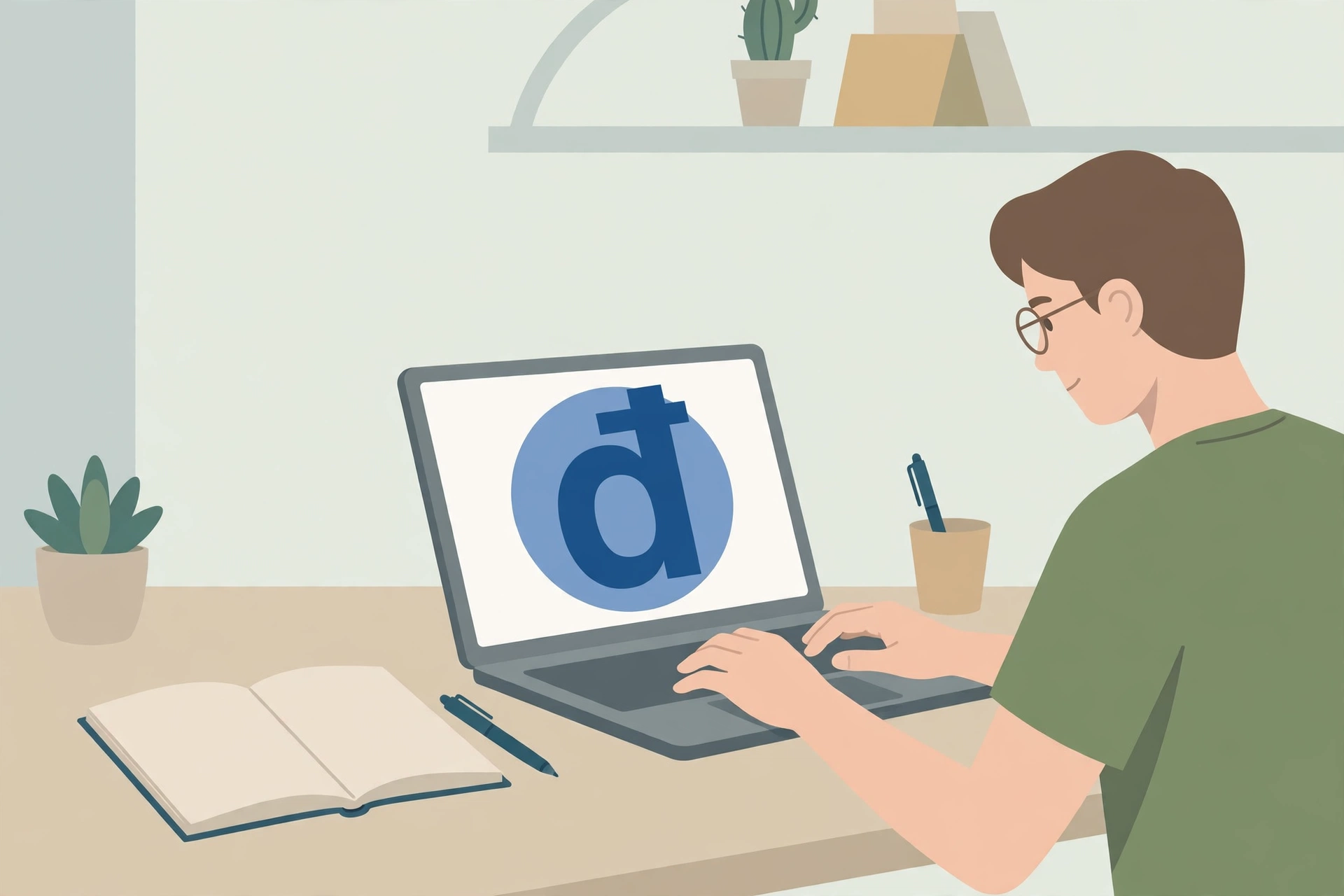
The letter đ (d with a stroke) is a different letter from d, and in Telex you make it by typing dd. Type it once and you get a different word, or no word at all.
🎮 Play Vietnamese Games — free
- đi (to go) is typed ddi. Type di and you get di — a word, but the wrong one: di means “to move away” or “to migrate”, as in di cư (to emigrate). “Tôi di chợ” is not “I’m going to the market”.
- được (can, OK) is typed dduwowcj. Type it with one d — duowcj — and you get dược, the word for “medicine” or “pharmacy”. “Tôi được đi” means “I can go”; “Tôi dược đi” means nothing.
- đẹp (beautiful) is typed ddepj. One d gives dẹp — “to put away”. “Cô ấy dẹp” means “She tidies up”, not “She is beautiful”.
The fix: whenever your mouth says đ, your fingers type dd — at the start of the word, before anything else.
Mistake 2: forgetting the “w”
The Telex key w builds three vowels: ă (a + w), ơ (o + w) and ư (u + w, or w on its own). Forget it and you type a different vowel — and usually a different word.
- năm (five, or “year”) is typed nawm. Forget the w and you get nam — “south”, as in miền Nam (the South). “Tôi nam tuổi” is not “I am five years old”; “Tôi năm tuổi” — with the w — is.
- cơ (as in cơ hội, “opportunity”) is typed cow. Forget the w and you get co — “to shrink”. “Cơ hội tốt” (a good opportunity) becomes “co hội tốt”, which means nothing.
- cảm ơn (thank you) is typed camr own. The second word, ơn (favour, gratitude), needs the w: type on and you get on, which is not a Vietnamese word at all.
The fix: after typing a word, read it back and check the vowels. If the word should have ă, ơ or ư and your screen shows a plain a, o or u, a w is missing.
Mistake 3: the double-letter trap — “aa” always makes “â”
In Telex, doubling a vowel changes it: aa makes â, ee makes ê, oo makes ô. So you cannot type two plain vowels in a row by just typing the letter twice.
- bán (to sell) is typed bans. Type baans and you get bấn — “flustered” or “anxious”, as in bấn loạn (in a panic). “Tôi baans nhà” does not mean “I sell a house”.
- xe (vehicle, bike, car) is typed xe. Type xee and you get xê — “to shift slightly”, as in xê ra (move over a bit). “Tôi đi xee” is not “I go by bike”.
- kê (to declare, as in kê khai) is typed kee. Type ke and you get ke, which is not a word on its own.
The fix: count the vowels. If the word has a plain a, type a once; if it has â, type aa. The doubling is the diacritic — never “just typing the letter twice”. The same rule in reverse: cô is coo, while cơ is cow.
Mistake 4: the wrong tone key — “s” is not “f”, “r” is not “x”

Telex tone keys are single letters, and two pairs are easy to confuse: s (sắc, rising) with f (huyền, falling), and r (hỏi, dipping) with x (ngã, broken). Swap one for the other and the wrong word is often a real word — nothing looks broken until a Vietnamese person reads it.
| You type | You get | Meaning | You wanted | Type |
|---|---|---|---|---|
| mas | má | cheek; mum (Southern) | mà (but; that) | maf |
| maf | mà | but; that | má (cheek; mum) | mas |
| mar | mả | grave; tomb | mã (code; horse) | max |
| max | mã | code; horse | mả (grave; tomb) | mar |
“Má” and “mà” are the classic pair: má is “cheek” or, in the South, “mum”; mà is “but” or “that”. And bảy (seven) versus bẫy (a trap) is the same mistake with the â thrown in: bẫy needs aa for the â and x for the ngã tone — baayx.
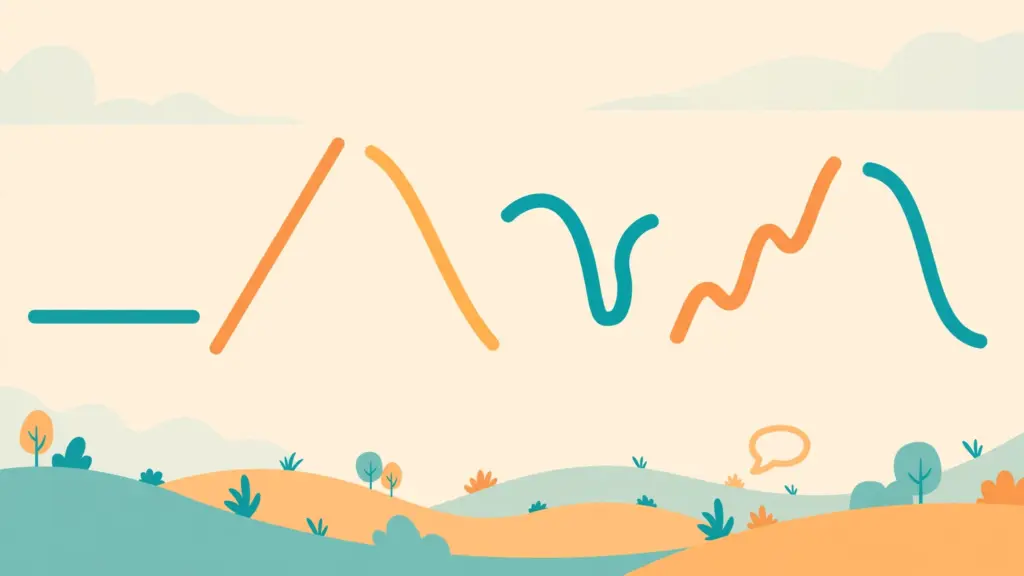
The fix: learn the tone keys as a chant — s rises, f falls, r dips, x breaks, j stops — and say the tone out loud as you type it. If you are not sure which tone a word has, check our guide to the six Vietnamese tones before you guess.
Mistake 5: typing the tone key before the shape key
Shape keys — w, aa, ee, oo, dd — must come before the tone key. Type the tone first and the result is gibberish.
- mới (new) is typed mowis: m, o, w (making ơ), i, then s for the tone. Type the tone first — moisw — and you get moíw, which is not a Vietnamese word at all.
- được (can, OK) is typed dduwowcj: both dd and the two ws come before the final j.
The fix: build the word in this order — consonants and vowels first, shape keys (w, doubled vowels, dd) second, tone key last. If a word comes out wrong, check first whether a tone key slipped in before a shape key.
Mistake 6: mixing up “ô” and “ơ” — and adding a tone to “tôi”
Ô and ơ look alike, but they are different vowels with different keys: ô is oo, ơ is o + w. Confusing them changes the word — and with tôi, adding a tone key you do not need changes it too.
- tôi (I, me) is typed tooi — with no tone key at all, because tôi is a level (ngang) tone word. Add an s and you get tối (dark), typed toois. Add an f and you get tồi (bad), typed tooif. Three words, one letter apart.
- cô (aunt; “she”) is typed coo. Type cow and you get cơ (as in cơ hội, “opportunity”). “Chào cơ” is not a greeting.
The fix: remember that tôi takes no tone key — it is toneless in writing. When you see ô, type oo; when you see ơ, type ow. If you type “I” and the screen shows “dark” or “bad”, you added a tone key that was never there.
Mistake 7: “x” is not “j” — ngã is not nặng
The last pair to confuse is x (ngã, the broken rising tone) with j (nặng, the heavy stopped tone). Both feel “low” to an English ear — but they make different words.
| Word | Meaning | Type (Telex) | Wrong key gives |
|---|---|---|---|
| đã | already | ddax | ddar → đả (to strike) |
| sẽ | will (future) | sex | ser → sẻ (to share out) |
| còn | still; remaining | conf | conr → cỏn (tiny, as in cỏn con) |
| những | plural marker (those) | nhuwngx | nhuwngj → nhựng (not a word) |
Đã and sẽ — “already” and “will” — both need the x key. Type j instead and you get đả (to strike) and sẻ (to share out). “Tôi sẽ đi” means “I will go”; “Tôi sẻ đi” means nothing.
The fix: pair the two keys with their words: x goes with đã and sẽ — the two words you use to talk about time. Say “đã — x, sẽ — x” a few times and the pairing sticks. And những, the plural marker in những người bạn (“those friends”), is nhuwngx with an x, not a j.
One word that breaks the pattern: “chưa”
Chưa (not yet) carries its tone on the a, not on the ư — unlike cửa (door), nửa (half) and sửa (to fix). Most typing tools, including our trainer for now, place it on the ư and give you chừa (to leave aside) instead. It is a known quirk we are fixing — if you type chưa and the screen shows chừa, the tool is wrong, not you.
A 2-minute drill to lock in the fixes
Type each word below and say the fix out loud when you get one wrong. Two minutes a day for a week makes all seven fixes automatic.
- đi — to go — Type: ddi (not di)
- năm — five — Type: nawm (not nam)
- bán — to sell — Type: bans (not baans)
- mà — but — Type: maf (not mas, which is má)
- mới — new — Type: mowis (not moisw, which gives moíw)
- tôi — I — Type: tooi (not toois, which is tối, “dark”)
- đã — already — Type: ddax (not ddar, which is đả)
- sẽ — will — Type: sex (not ser, which is sẻ)
Key takeaways
- đ is dd: đi is ddi, được is dduwowcj, đẹp is ddepj.
- Never skip the w: năm (nawm) is not nam, cơ (cow) is not co, ơn (own) is not on.
- Doubling a vowel is a diacritic: aa always makes â, so bán is bans, not baans.
- Tone keys change meaning: má (mas) is not mà (maf); mả (mar) is not mã (max).
- Shape keys before tone keys: mới is mowis, never moisw.
- Ô is oo, ơ is ow; tôi (tooi) takes no tone key.
- Ngã is x, nặng is j: đã is ddax, sẽ is sex, những is nhuwngx.
Frequently asked questions
What is the most common Telex mistake?
Forgetting the w — it turns năm (five) into nam (south), cơ into co and ơn into on. Second is typing d once for đ.
Why does “tôi” need no tone key in Telex?
Because tôi is a level (ngang) tone word — it has no tone mark in writing, so there is nothing to type. It is typed tooi: t, oo for ô, i, and stop. Adding s gives tối (dark) and adding f gives tồi (bad).
Should the tone key come before or after the “w”?
After — always. Shape keys (w, doubled vowels, dd) come first, and the tone key comes last in the word. Mới is mowis, not moisw; người is nguowif, not nguoifw. If a word comes out as gibberish, a tone key in the wrong place is the first thing to check.
How do I type “đã” and “sẽ” correctly?
Both need the x key (ngã tone): đã is ddax and sẽ is sex. The j key (nặng tone) gives different words — đả (to strike) and sẻ (to share out). Pair them in your head: “đã — x, sẽ — x”.
Ready to practise? Open our free typing trainer and run through the drill above until all eight words come out right first time — then take the Vietnamese typing speed test and see how clean your typing is under pressure.
Turn practice into play
You just studied — now lock it in with ten free Vietnamese games: Daily Sprint, Tone Pop, Proverb Puzzle, Café Rush and more. Two minutes a game, and every one builds your typing streak.
Play Vietnamese Games